

FHa drives hydrogen safety in european gas grids
The CANDHy project ensures material integrity for safe distribution across the continent.
The decarbonization of the European energy system inevitably relies on repurposing existing natural gas infrastructures for green hydrogen transport. However, this technological leap presents critical engineering challenges: hydrogen embrittlement and the integrity of non-ferrous materials. To address these unknowns, the CANDHy project (Compatibility Assessment of Non-steel metallic materials for the Distribution of Hydrogen) was launched—a strategic initiative of the Clean Hydrogen Partnership, coordinated by the Aragon Hydrogen Foundation (FHa).
The Infrastructure Challenge: Beyond Steel
Unlike natural gas, hydrogen has a high propensity for leakage and a specific chemical interaction with metals. While the PilgrHYm project—also involving FHa—focuses on high-pressure transport and steel materials, CANDHy targets the low-pressure distribution network. It analyzes non-ferrous materials that, until now, had been largely overlooked in academic research yet remain essential to the European urban fabric.
Aragonese Technology on a European Scale
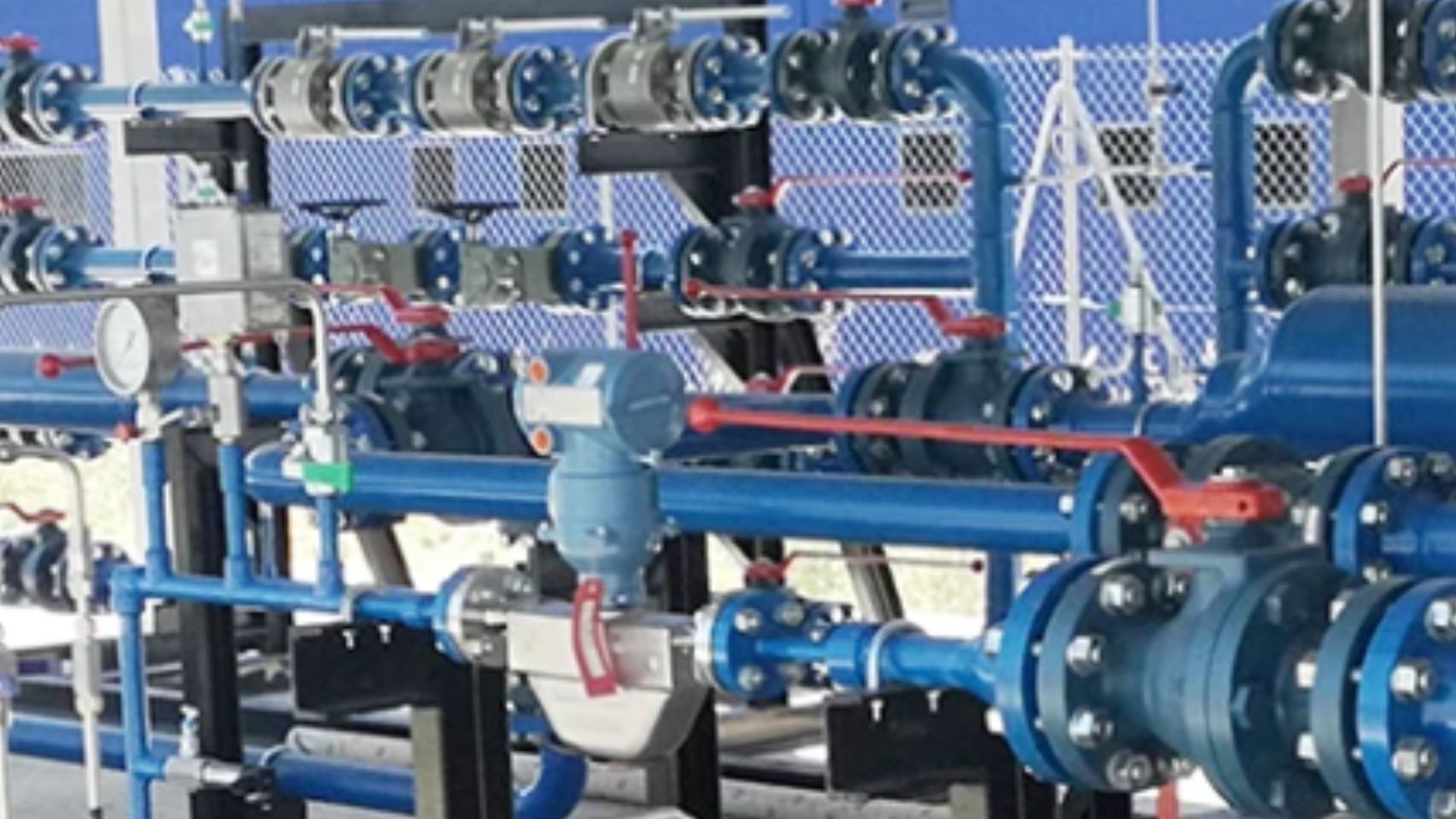
A key experimental zone of the project is located at the FHa testing platform, complemented by tests conducted by partner RINA. This infrastructure allows for the injection of controlled green hydrogen flows into natural gas streams, simulating real operating conditions with blends ranging from 10% to 100% hydrogen concentration.
“Our platform enables exhaustive experimental validation in real-world environments, monitoring critical parameters such as gas quality, impurity levels, flow rate, and pressures up to 80 bar,” explains Lidia Martínez, R&D Coordinator at the Aragon Hydrogen Foundation.
The facility is divided into three key areas:
-
Static Section: For leakage and permeability control in components such as valves.
-
Dynamic Section (Loop): Where material behavior under continuous gas circulation is studied.
-
Pig-trap (Autoclave): Used to analyze embrittlement effects on specimens under mechanical stress.
Toward a Common Standard: The Round Robin Test
A recent milestone for CANDHy is the completion of the Round Robin Tests. In these trials, four independent R&D platforms (FHa, TECNALIA, RINA, and NATRAN) conducted simultaneous tests under a harmonized framework. This method ensures that the generated data is reproducible and reliable, eliminating experimental bias.
The results of these initial testing campaigns will be officially presented at the European Hydrogen Energy Conference (EHEC 2026) held this March in Seville. This data will not only enhance material science but will also serve as the cornerstone for developing prediction models and technical guides that will define future European standardization regulations.
Impact and Future
With the CANDHy project, the Aragon Hydrogen Foundation reinforces its position as an international benchmark in hydrogen research. The success of this initiative will make hydrogen distribution in urban networks viable, safe, and backed by a robust scientific database.
Aragon continues to lead the transition toward a hydrogen economy, proving that technological innovation is the necessary bridge between the laboratory and citizen well-being.
Need to validate your components for the hydrogen economy? The Aragon Hydrogen Foundation places its Europe-leading infrastructure at your service. Evaluate the compatibility and safety of your materials with our certified testing protocols. Consult Validation and Testing Services
