

Mallorca activates first green hydrogen fuel cell in a hotel
The European Green Hysland project, with the strategic participation of the Aragon Hydrogen Foundation, achieves a major decarbonisation milestone at the Iberostar Waves Bahía de Palma.
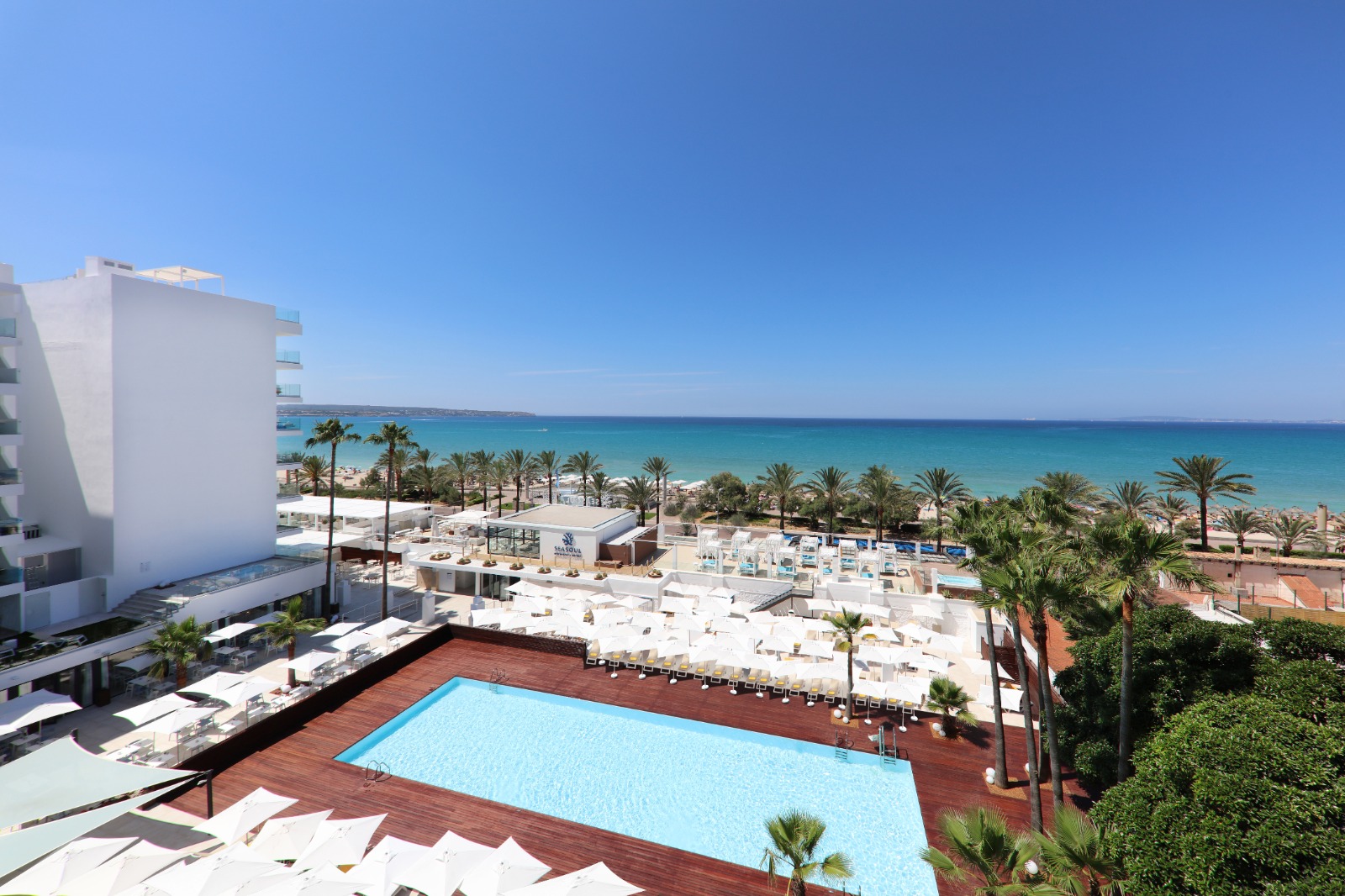
The European energy innovation ecosystem has achieved a historic turning point in the Balearic Islands. Within the framework of the international Green Hysland consortium, the first green hydrogen fuel cell dedicated to the hospitality sector in Spain has been successfully activated at the Iberostar Waves Bahía de Palma hotel (Mallorca). This technological deployment places the national tourism industry at the forefront of the clean energy transition and sustainability in island territories.
The newly deployed system will utilise renewable hydrogen produced locally at the Lloseta plant—developed by ACCIONA Energía and Enagás Renovable—to simultaneously generate low-emission thermal and electrical energy for the resort’s facilities.
Strategic Alliance for Decarbonisation
As a committed partner in the Green Hysland consortium—coordinated by Enagás Renovable and supported by the Clean Hydrogen Partnership—the Aragon Hydrogen Foundation (FHa) highlights the importance of this milestone in demonstrating the real-world viability of the entire hydrogen value chain. The project, which brings together more than 30 international organisations, consolidates the archipelago as Southern Europe’s leading renewable hydrogen living lab.
Project Impact and Efficiency Metrics in Mallorca:
Annual Processing: Consumption of at least 8 tonnes of green hydrogen per year.
Thermal Autonomy: Will cover over 70% of the hotel’s heating and hot water demand.
Electricity Supply: Will power more than 20% of the infrastructure’s total electricity consumption.
Mitigating Fossil Fuel Dependence
The integration of this innovative fuel cell demonstrates that energy-intensive sectors, such as tourism, can securely transition toward resilient, self-sufficient, and sustainable energy models. This milestone complements the infrastructure developed by Redexis, which recently executed Spain’s first injection of green hydrogen into a gas network through a pioneer pipeline on the island.
The active participation of the Aragon Hydrogen Foundation in European initiatives of this scale reaffirms its core institutional mission: to transfer cutting-edge technological knowledge, foster public-private collaboration, and structure real-world solutions that mitigate climate change from a regional to an international level.
